How to Share Streaming Subscriptions Legally in 2026
Share streaming subscriptions legally in 2026. Understand household rules, extra member options, and legitimate cost-splitting methods.
Anúncios
The era of casual password sharing ended when Netflix launched its crackdown in 2023. Other platforms followed. Understanding the current rules helps you share legally while avoiding account restrictions or termination.

What Changed About Streaming Password Sharing?
Anúncios
Netflix introduced household verification that ties accounts to a primary location using IP addresses and device fingerprints. Devices consistently streaming from a different location trigger verification prompts and can be blocked.
Other platforms adopted similar approaches. Disney+, Max, and Amazon Prime Video all updated terms of service to restrict sharing outside the subscriber's household. Enforcement varies by platform.
What Counts as a Household for Streaming Services?
Anúncios
Most services define a household as people living at the same residential address who share a common internet connection. Roommates, family members, and domestic partners all qualify under this definition.
College students living away from home are a gray area. Some services allow temporary location changes while others expect the student to maintain their own subscription at their campus address.
How Does Netflix's Extra Member Feature Work?
Netflix allows Standard and Premium subscribers to add one extra member who lives outside the household for $7.99 per month. This person gets their own profile, login credentials, and personalized experience.
The extra member option is the official way to share Netflix with someone at a different address. It costs less than a full standalone subscription and keeps both accounts in good standing with Netflix's terms.
Which Services Allow Extra Members?
- Netflix — $7.99/month per extra member (1 allowed on Standard, 2 on Premium)
- Disney+ — Exploring extra member options in select markets
- Max — No official extra member feature yet
- Amazon Prime Video — Prime household sharing supports two adults and four children
- Spotify — Duo plan ($14.99) for two people at the same address
- YouTube Premium — Family plan ($22.99) for up to six household members
Can Roommates Legally Share a Streaming Account?
Yes. Roommates sharing a physical address qualify as a household under most platform definitions. Multiple people on the same internet connection can use the same account with separate profiles legally.
The key requirement is that all users access the service primarily from the same location. Occasional travel or use from other locations is typically permitted, but the primary streaming activity should occur at home.
What About Sharing with Family Who Live Elsewhere?
Sharing with family at a different address technically violates most platform terms of service. The approved solution is using extra member features where available or subscribing to separate accounts.
Amazon Prime's household sharing is an exception. It allows two adults at potentially different addresses to share Prime benefits including Prime Video, making it the most generous policy among major platforms.
How Strict Is Enforcement Across Different Platforms?
Netflix enforces the most aggressively with device verification and IP monitoring. Disney+ and Max have implemented similar systems but enforce less consistently. Peacock and Paramount+ remain relatively lenient.
Enforcement typically involves prompting a verification code sent to the account holder's email or phone. Persistent violations may result in a forced logout of all devices or temporary account restrictions.
How to Split Streaming Costs Fairly
Within a household, assign each member a service to manage. One person pays for Netflix, another handles Disney+, a third covers Max. Everyone uses all services, but each person only pays for one.
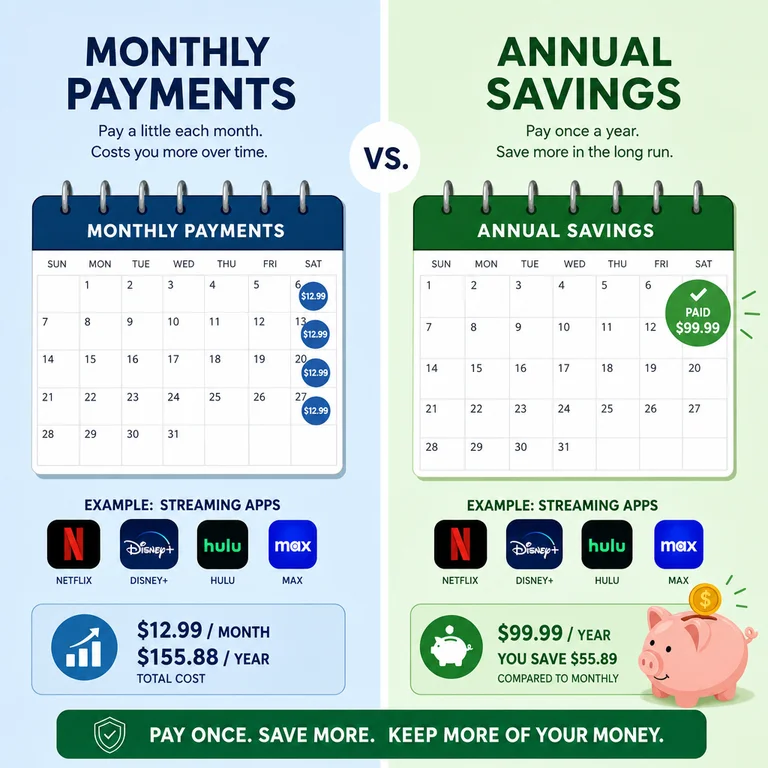
Payment apps like Venmo, Splitwise, or Zelle make monthly cost-splitting painless. Set up recurring payments so no one has to chase reimbursements. The total cost per person drops to $10 to $15 for three to four services.
Does Using a VPN Help with Account Sharing?
VPNs can mask location differences, but using them to circumvent household restrictions violates terms of service. Services actively detect and block VPN connections, and getting caught may result in account suspension.
The risk-reward calculation favors compliance. A suspended account means losing watchlists, profiles, and viewing history. Paying $8 for an extra member slot provides the same access without any risk.
What Are the Consequences of Unauthorized Sharing?
Most platforms start with a warning and verification prompt rather than immediate account termination. Repeated violations can escalate to forced password resets, device deauthorization, or account suspension.
No major platform has pursued legal action against individual account sharers. The consequences remain limited to service restrictions. However, terms of service updates reserve the right to terminate accounts for persistent violations.
Future of Streaming Account Sharing
Expect all platforms to follow Netflix's model within the next two years. Extra member add-ons will become standard, and household verification will tighten across the industry as platforms seek additional revenue streams.
The shift benefits platforms financially. Netflix reported significant subscriber and revenue growth after implementing its sharing crackdown, proving the business case for stricter enforcement across the industry.
Smart Alternatives to Unauthorized Sharing
Use family plans within your household to maximize profiles per account. Gift subscriptions to family members at other addresses. Split the cost of separate accounts rather than sharing login credentials across locations.
Combining legitimate sharing within households with individual subscriptions for remote family members keeps everyone on the right side of platform rules while still managing costs effectively.