Streaming Price Increases in 2026 and How to Avoid Paying More
Track 2026 streaming price increases and learn how to avoid paying more. Lock in rates, rotate services, and use smart billing strategies.
Anúncios
Streaming services have raised prices every year since their launch. The trend accelerated in 2025 and continues into 2026, with most major platforms increasing rates by $1 to $3 annually across all tiers.
Which Services Raised Prices in 2026?
Anúncios
Netflix increased its Standard plan from $15.49 to $17.99 in early 2026. Disney+ raised ad-free pricing to $16.99. Max bumped its ad-free tier to $19.99 per month. Peacock and Paramount+ each added $1 to their premium tiers.
Apple TV+ raised from $9.99 to $12.99, marking one of the largest percentage increases in the industry. Amazon Prime's annual fee climbed to $149, with the monthly option rising to $15.99 per line.
Why Do Streaming Prices Keep Going Up?
Anúncios
Content production costs drive most increases. Original series budgets have ballooned, with top-tier shows costing $15 million or more per episode. Licensing deals for sports and legacy content add further pressure.
Subscriber growth has slowed in mature markets, forcing platforms to increase revenue per user instead of relying on new sign-ups. Price increases are the simplest lever to maintain profit targets.
How Can Annual Plans Protect Against Price Increases?
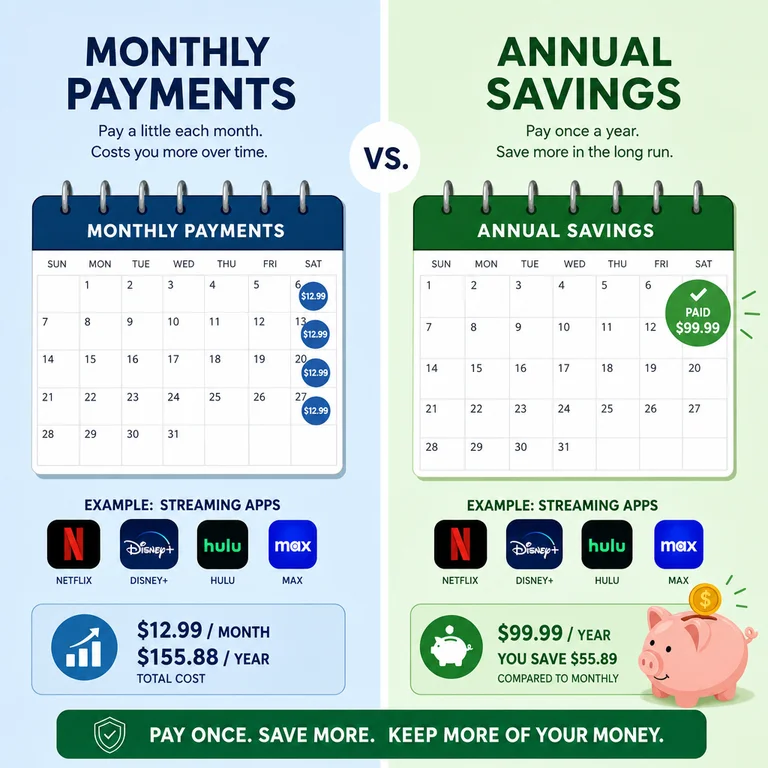
Annual subscriptions lock your rate for twelve months. If you signed up for Disney+ annually before the 2026 increase, you continue paying the old rate until renewal. This creates a guaranteed buffer against mid-year hikes.
The best time to switch to annual billing is right after a price increase announcement but before the new rate takes effect. Many services provide 30 to 60 days notice, giving you a window to lock in the current price.
Does Switching to Ad-Supported Tiers Help?
Absolutely. Downgrading from ad-free to ad-supported effectively reverses a price increase. Netflix with ads at $6.99 is cheaper than where Netflix Standard was priced two years ago even before the latest increase.
Ad-supported tiers also receive smaller price increases than premium tiers. Platforms need ad viewers to attract advertisers, so they keep those entry prices competitive to maintain audience scale.
What Is the Cancellation Retention Trick?
When you initiate cancellation on some platforms, a retention offer may appear. These offers can include one to three months at a reduced rate or a temporary freeze at your current price level.
Not every service triggers a retention offer, and the deals are not guaranteed. But attempting cancellation costs nothing and takes under a minute. The worst outcome is you actually cancel and resubscribe later at a promotional rate.
How Does Service Rotation Counter Price Increases?
Subscribing to one or two services at a time and rotating quarterly means you never pay full price for everything simultaneously. Even if each service costs $2 more, your monthly spend stays flat because you subscribe to fewer at once.
This strategy also sends a market signal. High churn rates pressure platforms to keep pricing competitive. Every subscriber who cancels and returns later demonstrates that loyalty cannot be taken for granted.
Are Bundles Immune to Price Increases?
Bundles are not immune but tend to absorb increases more slowly. The Disney trio bundle has increased less frequently than individual service prices, making it a relatively stable option over time.
Carrier bundles are particularly resistant to streaming price increases because the carrier negotiates bulk rates. Your carrier perk may continue providing the same service even after the retail price goes up.
Should You Negotiate with Streaming Services?
Unlike cable companies, most streaming services do not have retention departments you can call. However, starting the online cancellation process sometimes triggers automated discount offers that function as informal negotiation.
Live TV streaming services like YouTube TV are more likely to offer manual retention deals since they operate closer to the cable business model. Calling customer support before a price increase takes effect may yield results.
Price Increase History for Major Services
- Netflix — Has raised prices 6 times since 2019, averaging $1-2 per increase
- Disney+ — Launched at $6.99 in 2019, now $16.99 ad-free (143% increase)
- Max — Increased from $15.99 to $19.99 since rebranding from HBO Max
- Hulu — Ad-supported rose from $5.99 to $9.99 over four years
- Apple TV+ — Jumped from $4.99 at launch to $12.99 in 2026 (160% increase)
What Will Streaming Cost in 2027 and Beyond?
Industry projections suggest most services will cross $20 per month for ad-free tiers by 2028. Ad-supported plans may reach $10 to $12 as platforms balance revenue between subscriptions and advertising.
The overall trajectory mirrors cable pricing from the 2000s. Smart consumers who use bundles, rotation, and discount stacking will maintain affordable access while passive subscribers face steadily growing bills.
Proactive Steps to Take Before the Next Increase
Switch to annual billing on services you use daily. Audit your subscriptions and cancel anything unused. Check carrier perks and credit card benefits you may not have activated. Stack discounts before prices rise again.
Set a calendar reminder to review your streaming stack every quarter. Each review should take ten minutes and can save hundreds per year. Proactive management is the only sustainable defense against perpetual price increases.