Best Hi-Fi Music Streaming Services for Audiophiles
Best hi-fi music streaming for audiophiles. Compare Tidal, Qobuz, Apple Music, Amazon Music HD, and Deezer HiFi for premium audio quality.
Anúncios
Hi-fi music streaming has transformed how audiophiles access studio-quality recordings. Services now deliver CD-quality and beyond directly to your headphones, eliminating the need for physical media collections to enjoy pristine sound.
What Qualifies as Hi-Fi Music Streaming?
Anúncios
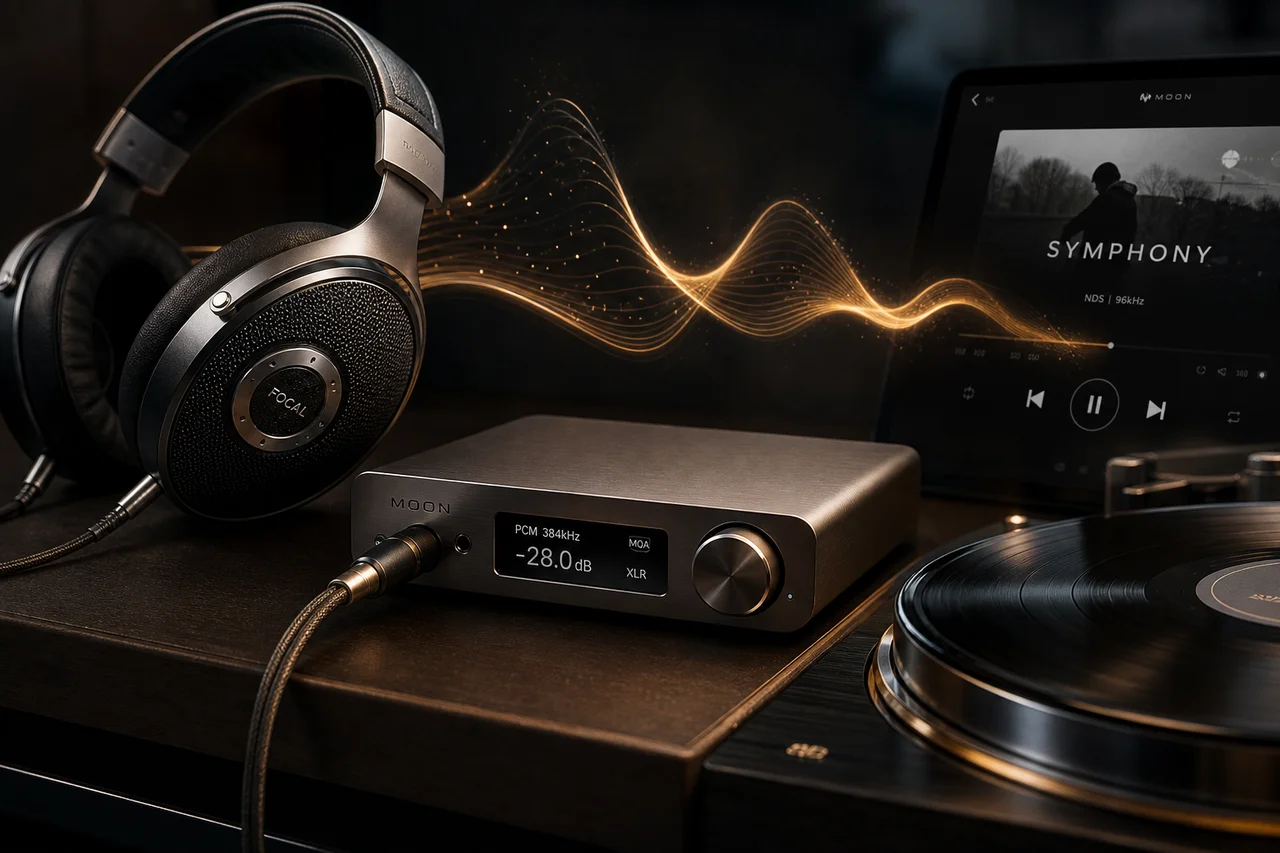
Hi-fi streaming typically means CD quality at 16-bit/44.1kHz or higher. Anything above this threshold, including 24-bit/96kHz and 24-bit/192kHz, falls under hi-res audio. Both preserve significantly more detail than standard compressed streams.
The format matters too. FLAC and ALAC are lossless codecs that compress without data loss. MQA folds hi-res information into smaller files but involves lossy processing, sparking ongoing debate among audiophile communities.
How Does Tidal Stack Up for Hi-Fi Listening?
Anúncios
Tidal pioneered mainstream hi-fi streaming and remains a favorite among audio enthusiasts. The HiFi Plus tier at $19.99 monthly offers FLAC lossless, MQA hi-res, Dolby Atmos, and Sony 360 Reality Audio all in one subscription.
Tidal Connect streams directly to compatible DACs, amplifiers, and network players without processing through a phone. This bit-perfect delivery chain satisfies purists who demand signal integrity from source to speaker.
Is Qobuz the Purist's Choice?
Qobuz streams exclusively in true FLAC without proprietary encoding schemes. Every track plays in genuine lossless quality, and hi-res files reach 24-bit/192kHz without any MQA processing or format conversion.
The platform also sells hi-res downloads for permanent ownership. Qobuz editorial content focuses on album reviews, artist interviews, and detailed liner notes that enrich the listening experience beyond just audio quality.
Does Apple Music Deliver Real Hi-Fi Quality?
Apple Music includes lossless ALAC streaming up to 24-bit/192kHz at no extra charge. This makes it the most affordable hi-fi option since standard subscribers get the same audio quality as dedicated audiophile services.
Apple's Spatial Audio with Dolby Atmos adds an immersive dimension to supported tracks. Head tracking on AirPods Pro adjusts the soundstage as you move, creating a theater-like experience for compatible recordings.
What DAC and Headphone Setup Do You Need?
A dedicated DAC converts digital audio to analog with higher precision than built-in phone chipsets. USB DACs from iFi, FiiO, and Chord start at $50 and connect directly to smartphones or computers via USB-C.
Headphones matter more than the DAC for most listeners. Open-back models from Sennheiser, Beyerdynamic, and HiFiMAN reveal details that closed-back designs and earbuds tend to mask during playback.
How Do You Set Up a Home Hi-Fi Streaming System?
Network streamers from brands like Bluesound, Cambridge Audio, and WiiM connect directly to your home amplifier. These devices pull music from streaming services over WiFi and output pristine audio through dedicated DAC circuitry.
Roon software integrates with Tidal and Qobuz to manage your entire music library with rich metadata, multi-room control, and signal path transparency showing exactly how audio is processed at each stage.
Can You Hear the Difference Between Hi-Fi and Standard?
On proper equipment, most listeners notice improved clarity, wider stereo imaging, and better instrument separation in hi-fi streams. The difference is most obvious in acoustic music, jazz, and classical recordings with wide dynamic range.
Through budget earbuds or Bluetooth connections, the improvement diminishes significantly. Investing in wired headphones above $150 and a basic DAC creates the minimum setup where hi-fi streaming becomes genuinely worthwhile.
Comparing Audio Codecs: FLAC vs MQA vs ALAC
- FLAC: Open-source lossless, widely supported, bit-perfect reproduction
- ALAC: Apple's lossless codec, identical quality to FLAC, native on Apple devices
- MQA: Proprietary folding codec, controversial among purists, smaller file sizes
- AAC 256kbps: Standard quality on Apple Music and YouTube Music
- OGG Vorbis 320kbps: Spotify's highest quality, lossy but transparent to most ears
Which Hi-Fi Service Sounds Best Objectively?
Bit-perfect FLAC streams from Qobuz and Tidal measure identically in blind comparisons since both deliver the original master without alteration. Apple Music ALAC performs equally well as ALAC and FLAC are both mathematically lossless.
Differences in perceived quality often come from mastering variations between platforms rather than codec quality. The same album may sound different on Tidal versus Apple Music because each service received a different master from the label.
What About Spatial Audio and Immersive Formats?
Dolby Atmos Music places instruments in a 3D space around the listener. Apple Music and Tidal lead with the largest Atmos catalogs. Amazon Music supports Atmos through Echo Studio and compatible soundbars.
Sony 360 Reality Audio uses object-based spatial coding for immersive playback. Tidal and Amazon Music support this format through compatible Sony headphones and speakers with specialized processing hardware.
How to Choose the Right Hi-Fi Streaming Service
Choose Qobuz for purist FLAC streaming and digital purchases. Pick Tidal for the widest format support including MQA, Atmos, and 360 RA. Select Apple Music for the best value with lossless included at standard pricing.
Consider your existing equipment and ecosystem. Apple users benefit from seamless integration. Android users have more flexibility across Tidal, Qobuz, and Amazon Music with USB DAC support across all three platforms.