Music Discovery Features That Help You Find New Songs
Learn how music streaming discovery features work. Compare algorithmic playlists, radio stations, and curated picks across major platforms.
Anúncios
Finding new music used to mean browsing record store shelves or waiting for radio DJs to spin something fresh. Streaming platforms now use sophisticated algorithms and human curation to surface tracks tailored to your taste.
How Does Spotify Discover Weekly Actually Work?
Anúncios
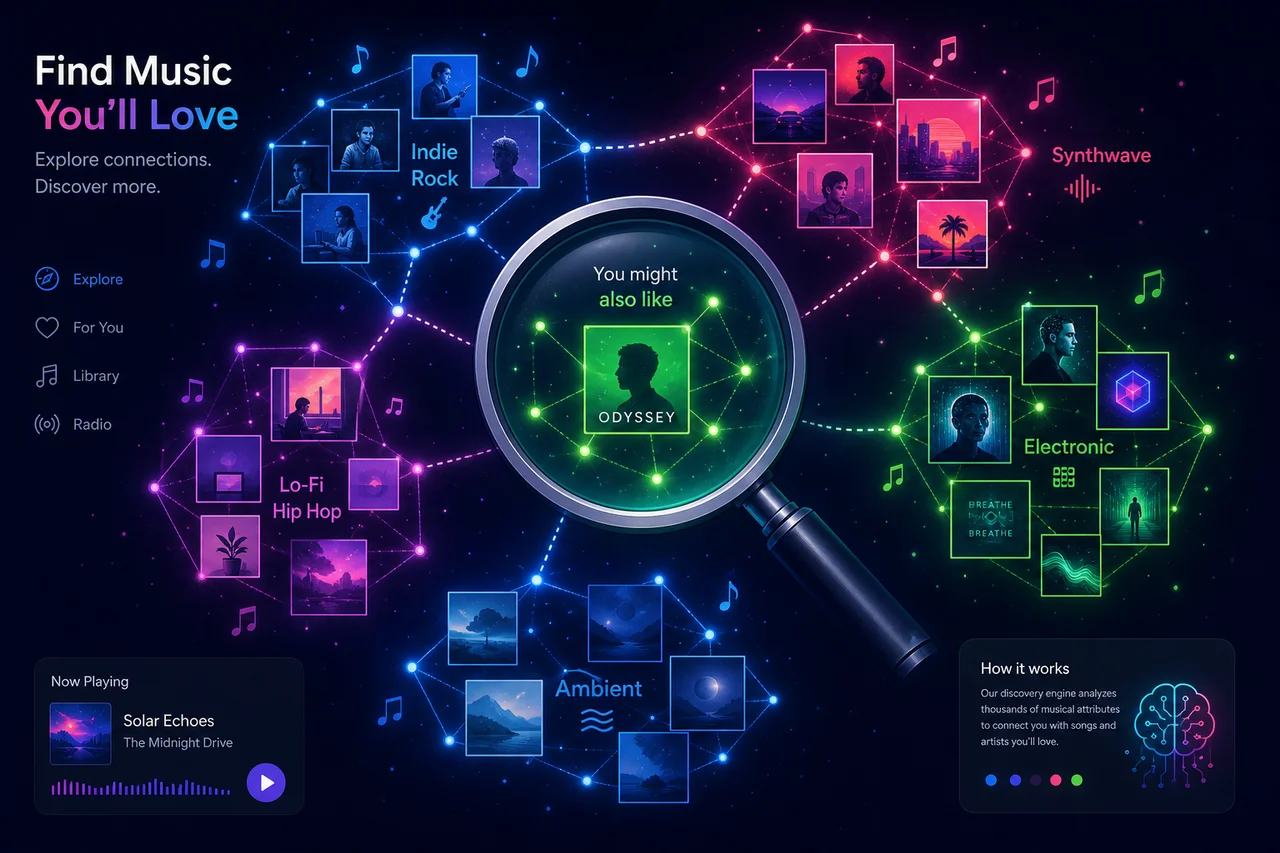
Spotify analyzes your listening history, skipped tracks, saved songs, and playlist additions to build a taste profile. Discover Weekly combines collaborative filtering with natural language processing from music blogs and reviews.
Every Monday, Spotify generates a fresh 30-track playlist matching patterns in your listening behavior. The algorithm improves over time as you interact with recommendations by saving, skipping, or replaying suggested songs.
Apple Music Editorial Playlists and Human Curation
Anúncios
Apple Music employs teams of music editors worldwide who craft playlists by hand. These curators select tracks based on cultural context, genre trends, and thematic connections that algorithms might overlook entirely.
The result feels more intentional than algorithmic playlists. Apple Music's editorial picks often spotlight emerging artists before they trend, giving listeners early access to rising talent across genres.
What Makes YouTube Music Recommendations Unique?
YouTube Music combines audio listening data with video watch history to create hybrid recommendations. If you watched a live concert on YouTube, the music app will suggest similar artists and studio recordings.
This cross-platform intelligence gives YouTube Music an edge in understanding your broader entertainment preferences. The algorithm connects musical taste with visual content consumption for deeper personalization.
Daily Mix and Personalized Radio Stations
Spotify creates up to six Daily Mix playlists blending familiar favorites with new discoveries in specific genre clusters. Each mix focuses on a different taste segment, so your hip-hop mix stays separate from your indie rock mix.
Apple Music and Amazon Music offer similar personalized radio stations that endlessly play tracks matching a seed song or artist. These stations adapt in real time based on thumbs up or thumbs down feedback.
How Do Release Radar and New Music Alerts Work?
Spotify Release Radar compiles new tracks from artists you follow and related artists each Friday. This automated playlist ensures you never miss fresh releases from musicians in your listening orbit.
Apple Music sends push notifications for new album drops from followed artists. YouTube Music surfaces new releases in a dedicated shelf on the home screen, prioritizing artists you stream most frequently.
Genre and Mood-Based Discovery Tools
Most streaming platforms organize browse sections by genre, mood, and activity. Categories like workout, focus, sleep, and party help listeners find music matching their current state rather than specific artist preferences.
Spotify takes this further with contextual playlists like "Songs to Sing in the Shower" and "Cooking Dinner." These activity-based collections introduce new tracks within a familiar mood framework.
Can Social Features Help You Discover Music?
Spotify Blend creates a shared playlist between two users by merging their taste profiles. The resulting mix highlights musical overlap and introduces each person to tracks the other enjoys.
Following friends on Spotify shows their currently playing tracks in the sidebar. Apple Music lets friends share playlists and see each other's listening activity, turning music discovery into a social experience.
What Role Does Audio Analysis Play in Recommendations?
Streaming platforms analyze audio features like tempo, key, energy, danceability, and valence to classify every track. These audio fingerprints help algorithms match songs with similar sonic characteristics to your favorites.
Spotify published their audio feature categories openly, showing how each track scores on metrics like acousticness and instrumentalness. This data powers the mathematical backbone of personalized recommendations.
AI-Powered DJ Features on Streaming Platforms
Spotify launched an AI DJ feature that uses generative AI to narrate transitions between songs with commentary about artists and genres. The DJ adapts its selections based on your real-time listening reactions.
This feature mimics the experience of a knowledgeable radio DJ who knows your taste personally. It represents the next evolution in music discovery, blending algorithmic intelligence with natural-sounding presentation.
How to Improve Your Algorithm Recommendations
- Like and save songs you enjoy to train the algorithm faster
- Skip tracks you dislike rather than letting them play passively
- Follow artists you care about to receive release notifications
- Create playlists by mood or genre to give the algorithm clearer signals
- Use the 'Not Interested' option when irrelevant tracks appear
- Listen actively for the first few weeks after joining a new platform
Does Music Discovery Work Better on Any Specific Platform?
Spotify consistently ranks highest for algorithmic discovery in user surveys. Apple Music wins for editorial curation quality. YouTube Music excels at surfacing niche content including live performances and covers.
The best platform for discovery depends on whether you prefer machine-driven suggestions or human-curated collections. Many serious music fans use two services simultaneously to maximize exposure to new artists.
Third-Party Discovery Tools Worth Trying
Services like Last.fm track your listening across platforms and recommend based on aggregated data. Discogs connects vinyl collectors with digital discoveries. EveryNoise.com maps the entire genre landscape for exploration.
Websites like RateYourMusic and Album of the Year aggregate critic and user scores, helping listeners find acclaimed albums they may have missed. These tools complement platform algorithms with community-driven curation.