What Makes Sports Streaming Different from Regular Streaming?
Sports streaming vs regular streaming: explore differences in latency, pricing, blackouts, and technology that affect your experience.
Anúncios
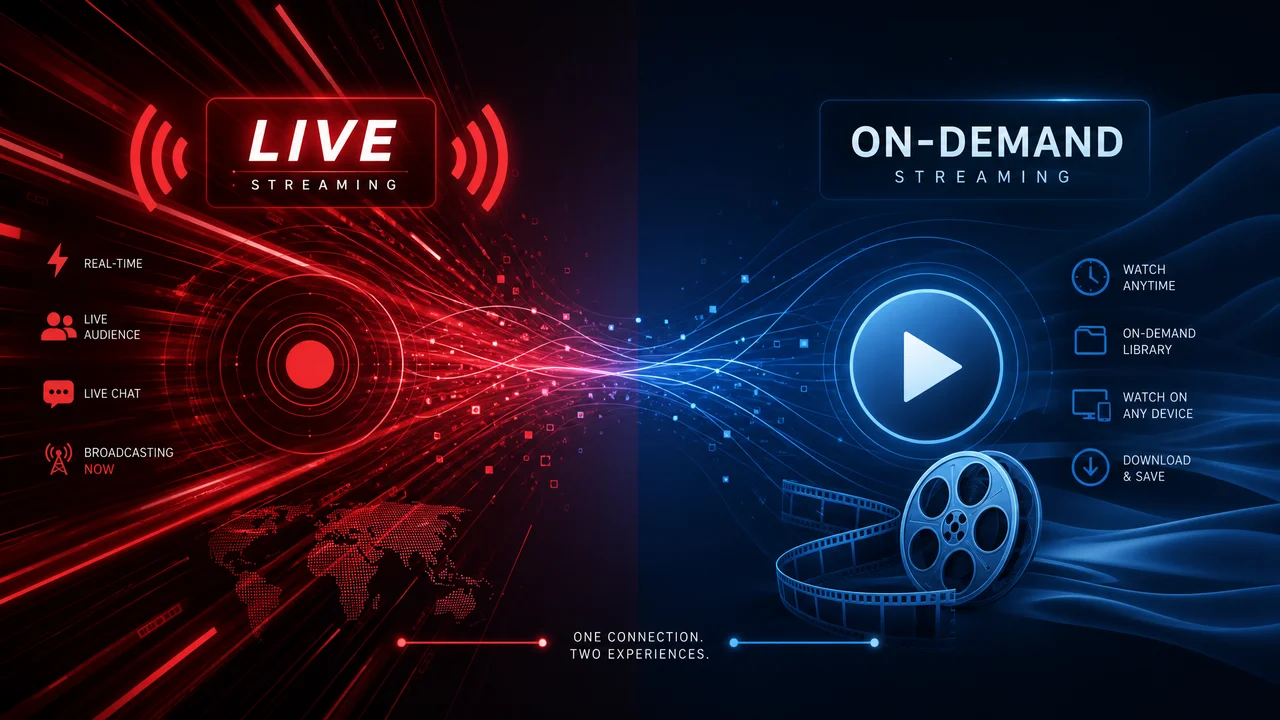
Watching a movie on demand and watching a live football game require fundamentally different technology, licensing, and infrastructure. Sports streaming carries unique challenges that make it more complex and often more expensive than standard entertainment streaming.
Why Does Latency Matter More for Live Sports?
Anúncios
Latency is the delay between when something happens on the field and when it appears on your screen. Most streaming services run 20 to 45 seconds behind the actual broadcast. That gap means your neighbor's cheer can spoil a touchdown before you see it.
On-demand content has zero latency concerns because there is no simultaneous real-world event. Sports streaming platforms invest heavily in low-latency protocols to shrink the delay, but eliminating it entirely remains an ongoing technical challenge.
How Do Blackout Rules Complicate Sports Streaming?
Anúncios
Blackouts prevent subscribers from watching certain games based on their geographic location. These rules protect local broadcast deals by forcing viewers to watch through the regional rights holder instead of a national streaming platform.
Regular entertainment streaming has no equivalent restriction. You can watch any movie or show on Netflix from anywhere in the country. Sports streaming operates under a patchwork of territorial broadcasting agreements that fragment access.
What Drives the Higher Cost of Sports Streaming?
Sports broadcasting rights cost billions of dollars. The NFL's current media deals exceed $100 billion across all partners. These astronomical rights fees get passed on to consumers through higher subscription prices.
Entertainment content is expensive to produce but can be amortized over years of viewing. A live sporting event generates value only once, during its broadcast. This one-time value concentration pushes per-event costs higher.
How Does Picture Quality Differ During Live Events?
Live sports streaming demands consistent high quality during fast-motion sequences. A pixelated replay or buffering during a game-winning shot frustrates viewers far more than a brief quality dip in a drama scene.
Streaming platforms use adaptive bitrate technology to adjust quality based on your connection speed. Sports streams require higher minimum bitrates because rapid camera movements and crowd scenes compress poorly compared to slower-paced content.
Why Are Sports Rights Split Across So Many Platforms?
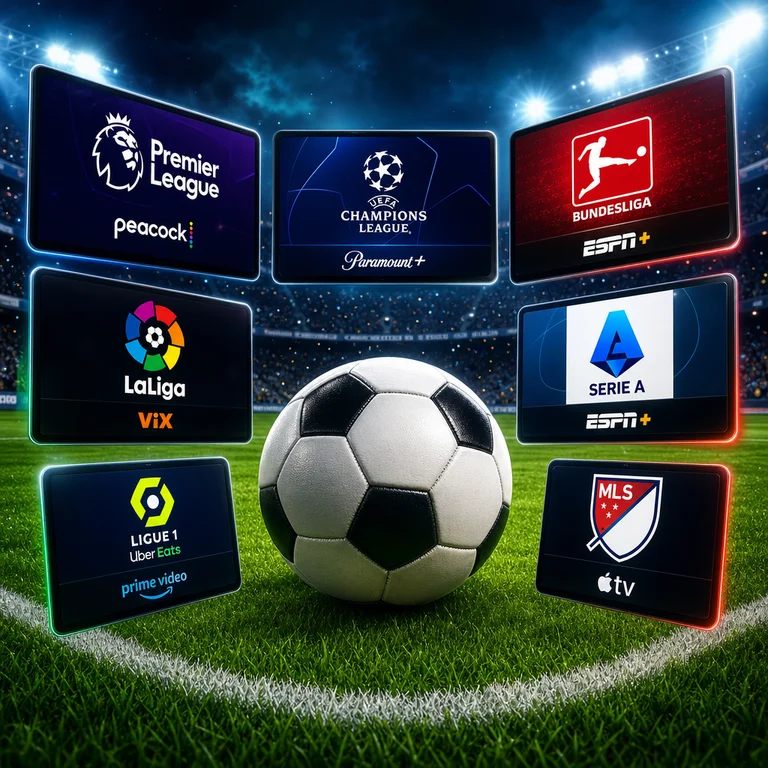
Leagues maximize revenue by selling different packages to different broadcasters. The NFL sells Sunday afternoons to CBS and Fox, Sunday nights to NBC, Monday nights to ESPN, and Thursday nights to Amazon. Each deal generates separate income.
Entertainment studios typically sell exclusive rights to one platform. A show goes to Netflix or Max, not both. Sports fragmentation forces fans to subscribe to multiple services to follow a single league through its entire season.
Does DVR Work the Same Way for Sports?
Cloud DVR on most platforms records live sports the same way it records any other programming. However, sports events can run overtime, and not all DVRs automatically extend the recording past the scheduled end time.
Spoiler avoidance is another DVR difference. Sports recordings become worthless once you know the outcome. Platforms like YouTube TV offer spoiler-free scoring modes, a feature irrelevant for standard TV show recordings.
How Do Simultaneous Viewers Affect Stream Stability?
A popular show premiere might draw a few million concurrent viewers spread over hours. A Super Bowl draws over 100 million viewers watching at the exact same moment. This massive concurrency tests streaming infrastructure at its limits.
Platforms prepare for these spikes by provisioning extra server capacity weeks in advance. Even so, brief buffering events during peak moments still occur on some services during the highest-demand sporting events.
What Role Does Advertising Play in Sports Streaming?
Live sports command premium advertising rates because viewers watch in real time rather than skipping ads. A 30-second Super Bowl commercial costs millions precisely because sports audiences are highly engaged and difficult to reach elsewhere.
Entertainment streaming shifted toward ad-supported tiers as a discount option. In sports streaming, advertising is baked into the broadcast itself through commercial breaks, sideline sponsors, and in-game graphics overlays.
Can You Pause and Rewind Live Sports Streams?
Most live TV streaming services allow pausing and rewinding live sports by up to 60 to 90 minutes. This catch-up buffer lets you rewatch a controversial play or take a break without losing your place in the broadcast.
On-demand content pauses indefinitely because the entire file lives on a server. Live sports require the platform to maintain a rolling buffer of the broadcast, which adds storage and bandwidth costs to every concurrent viewer.
How Interactive Features Are Changing Sports Streaming
Amazon's Thursday Night Football includes real-time stats overlays, alternate camera angles, and fan polls. These interactive elements go beyond what traditional cable broadcasts offer, creating a richer viewing experience.
Entertainment streaming experiments with interactive content have been limited and mostly novelty-based. Sports streaming is pioneering interactive features because live events create natural moments for audience participation and data engagement.
Key Differences at a Glance
- Latency — sports: 20-45 second delay matters; entertainment: no live delay concerns
- Blackouts — sports: geographic restrictions common; entertainment: none
- Cost — sports: higher due to broadcast rights; entertainment: generally lower subscriptions
- Concurrency — sports: massive simultaneous viewership peaks; entertainment: spread over time
- Advertising — sports: premium real-time ad slots; entertainment: skippable or tiered
- DVR — sports: spoiler sensitivity and overtime issues; entertainment: straightforward recording
What Does the Future of Sports Streaming Look Like?
Expect more exclusive streaming deals as leagues continue shifting away from traditional broadcast-only models. Amazon, Apple, and YouTube are expanding their sports portfolios, signaling that streaming will become the primary distribution method.
Improvements in low-latency technology and personalized viewing experiences will close the remaining gaps between streaming and traditional cable. Within a few years, streaming may offer a superior sports experience rather than just a convenient alternative.