Music Streaming Services Ranked by Sound Quality, Library Size, and Offline Features
Compare the top music streaming services side by side across audio quality, catalog size, offline downloads, pricing, and artist compensation.
Anúncios
How Do Music Streaming Services Differ in Sound Quality?
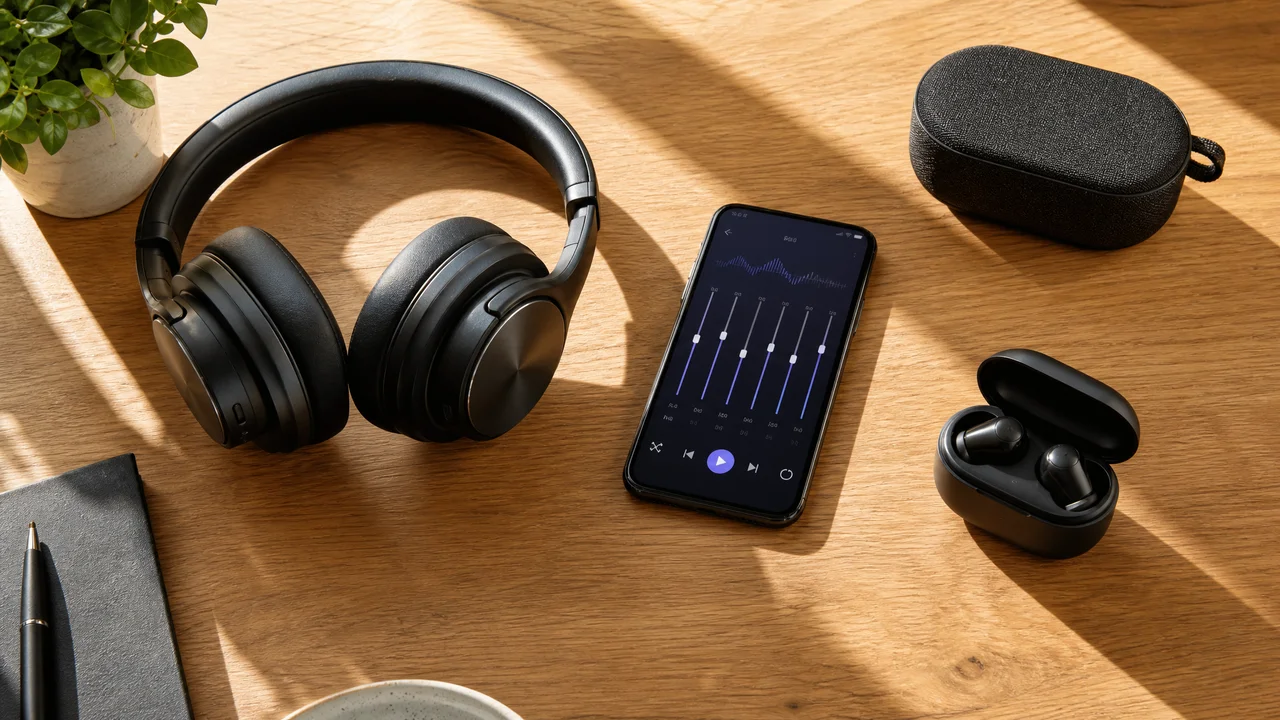
Sound quality varies significantly across platforms and subscription tiers. Apple Music streams lossless audio up to 24-bit/192kHz at no extra charge on any paid plan, while Spotify caps at 320 kbps Ogg Vorbis on its Premium tier. Tidal offers HiFi and Max tiers delivering lossless FLAC and Dolby Atmos spatial audio.
Anúncios
For most listeners using standard earbuds or consumer Bluetooth headphones, differences above 256 kbps are genuinely difficult to perceive in blind listening tests. Audiophiles with wired headphones, dedicated DACs, or high-end speakers benefit most from lossless streaming, where the absence of compression artifacts becomes clearly audible.
Which Service Has the Largest Music Library?
Apple Music and Spotify both claim libraries exceeding 100 million tracks, making catalog size effectively equal between the two dominant market leaders. Amazon Music Unlimited matches this figure across its full catalog, while Tidal and Deezer each offer approximately 100 million tracks as well.
Anúncios
Library size matters less than catalog depth and discovery for specific niche genres and independent artists. Spotify excels at podcast integration and indie artist discovery through its algorithm. Apple Music curates playlists with editorial precision and human judgment. Tidal prioritizes hip-hop, R&B, and electronic music communities with exclusive releases and early access windows.
What Are the Best Offline Listening Features?
Every major music streaming service supports offline downloads on mobile devices for listening without an internet connection. Spotify allows up to 10,000 downloaded tracks across five devices simultaneously. Apple Music permits 100,000 songs in your library with generous offline storage limited only by your device's physical capacity.
Tidal and Amazon Music Unlimited both support offline downloads in lossless quality, which consumes significantly more storage than standard compressed formats. A single lossless album averages around 500 MB compared to roughly 100 MB for a high-quality compressed equivalent, so plan your device storage accordingly.
Spotify vs Apple Music: Which Should You Choose?
Spotify leads in music discovery with algorithmic playlists like Discover Weekly, Release Radar, and Daily Mixes that adapt continuously to your listening habits over time. Its social features—collaborative playlists, friend activity feeds, and annual Wrapped summaries—create a community-oriented experience unique among streaming platforms.
Apple Music appeals to listeners who value audio quality and editorial curation above algorithmic suggestions. Its human-curated playlists, lossless audio included at no premium, and seamless integration with the Apple ecosystem make it the natural default choice for iPhone, HomePod, and Apple Watch users.
The choice often comes down to ecosystem and social habits. Android users and people who share playlists socially gravitate toward Spotify. Apple device owners who value audio quality and a cleaner interface tend to prefer Apple Music's approach to curation and playback.
Is Tidal Worth the Premium Price for Audiophiles?
Tidal HiFi Plus costs around $11 per month and delivers MQA, FLAC lossless, and Dolby Atmos Music across a growing catalog of spatial audio mixes. For listeners with high-end headphones, dedicated audio equipment, or quality home speakers, Tidal's quality ceiling exceeds what Spotify offers at any available tier.
Tidal also invests in artist-first compensation, paying higher per-stream royalties than most competing platforms. Subscribing to Tidal directly supports artists more effectively than streaming elsewhere, which appeals to listeners who factor ethical and economic considerations into their platform choice.
| Feature | Spotify | Apple Music | Tidal | Amazon Music |
|---|---|---|---|---|
| Max Audio Quality | 320 kbps | 24-bit/192kHz | 24-bit/192kHz + Atmos | 24-bit/192kHz |
| Library Size | 100M+ | 100M+ | 100M+ | 100M+ |
| Monthly Price | $11 | $11 | $11 | $10 |
| Free Tier | Yes (ads) | No | No | Limited |
| Offline Downloads | 10,000 tracks | 100,000 tracks | 10,000 tracks | Unlimited |
How Does Amazon Music Fit Into the Streaming Ecosystem?
Amazon Music comes in three distinct tiers: Free with ad-supported limited access, Prime included with Amazon Prime membership offering 100 million songs in shuffle-only mode, and Unlimited at $10 per month for full on-demand access with lossless Ultra HD audio quality.
Integration with Alexa and Echo devices gives Amazon Music a practical edge for smart-home users who control music through voice commands. Voice requests work seamlessly, and the service streams in Ultra HD quality to compatible Echo speakers without requiring any manual audio configuration.
What Free Music Streaming Options Exist?
Spotify Free provides access to the full 100-million-track catalog with shuffle-only playback on mobile devices and periodic ad interruptions every few songs. On desktop, Spotify Free allows full on-demand playback with periodic ads—a meaningful distinction that makes the desktop experience considerably more usable.
YouTube Music's free tier streams music videos and audio tracks with ads between songs. Deezer Free offers shuffle mode with ads on mobile devices. For listeners unwilling to pay for music streaming, Spotify Free on desktop delivers the most complete and functional experience among ad-supported music platforms.
- Spotify Free — full catalog access with ads, shuffle-only on mobile devices
- YouTube Music Free — music videos and audio tracks with ad interruptions
- Deezer Free — shuffle mode with limited skip counts per hour
- Amazon Music Free — curated stations with ads, no on-demand track selection
- SoundCloud Free — indie artists, remixes, and emerging musicians with ad support
Which Service Offers the Best Family Plan?
Apple Music Family costs $17 per month for up to six individual accounts, each with full access to lossless audio and the complete catalog. Every family member gets personalized recommendations, a completely private library, and separate listening history without cross-contamination.
Spotify Family matches at $17 per month for six accounts and adds Spotify Kids, a separate child-safe app with curated content for younger listeners. YouTube Premium Family at $23 per month includes YouTube Music plus ad-free YouTube video streaming, which adds meaningful value for households that consume both music and video content.
How Do Podcast Libraries Compare Across Music Platforms?
Spotify has become the dominant podcast platform in addition to its music catalog, hosting exclusive shows and integrating podcasts directly into the music listening app. Video podcasts, interactive polls, Q&A sessions, and chapter markers make Spotify's podcast experience more feature-rich than most standalone dedicated podcast apps.
Apple Music does not include podcasts—Apple Podcasts exists as a separate free app on Apple devices. Amazon Music integrates podcast content into its interface alongside music, and YouTube Music benefits from YouTube's massive spoken-word and podcast video library. Spotify remains the only major service where music and podcasts merge into a truly seamless unified experience.
Does Sound Quality Matter With Bluetooth Headphones?
Standard Bluetooth codecs like SBC and AAC compress audio to around 256 kbps regardless of source quality, effectively negating the benefits of lossless streaming entirely. Headphones supporting LDAC or aptX HD transmit up to 990 kbps wirelessly, preserving enough detail for lossless sources to sound noticeably better than compressed alternatives.
If you primarily listen through AirPods or standard wireless earbuds with AAC codec support, Apple Music's lossless tracks will sound functionally identical to its high-quality AAC compressed streams. Invest in LDAC-capable headphones before paying extra for lossless subscriptions to ensure you can actually perceive the quality difference.
How to Migrate Playlists Between Streaming Services
Services like TuneMyMusic, Soundiiz, and FreeYourMusic transfer playlists between Spotify, Apple Music, Tidal, Amazon Music, and other platforms automatically. Most offer free transfers for small playlists and charge between $5 and $15 for unlimited transfers of large personal libraries.
Expect 90–95 percent match rates during automated playlist migration. Obscure tracks, regional licensing exclusives, and different album versions or remasters occasionally fail to match correctly. After transferring, scan your new library carefully for missing tracks and search for them manually to complete the migration process.
Which Platform Pays Artists the Most Per Stream?
Tidal pays the highest per-stream royalties among major platforms, averaging around $0.01 per stream compared to Spotify's $0.003–$0.005 range. Apple Music falls in between at roughly $0.007–$0.01 per stream. These figures fluctuate based on subscription tier, listener region, and total platform-wide streams per monthly period.
If supporting artists financially matters to your listening philosophy, purchasing albums directly on Bandcamp or attending live performances delivers far more revenue per transaction than any streaming platform. However, among streaming-only options, Tidal and Apple Music return meaningfully more money to creators than Spotify or Amazon per individual stream.
Music Streaming and Smart Home Integration
Amazon Music works natively with Alexa and Echo devices, enabling voice-controlled playback, multi-room audio groups, and routines that start music at specific times. Spotify Connect lets you control playback across any compatible device from your phone, including smart speakers, TVs, and gaming consoles.
Apple Music integrates with HomePod, AirPlay 2 devices, and Siri voice commands across the Apple ecosystem. For whole-home audio, Sonos supports all major streaming services and lets you play different music in different rooms simultaneously with independent volume control per zone.